When to Harvest Pumpkins—and How to Cure and Store Them
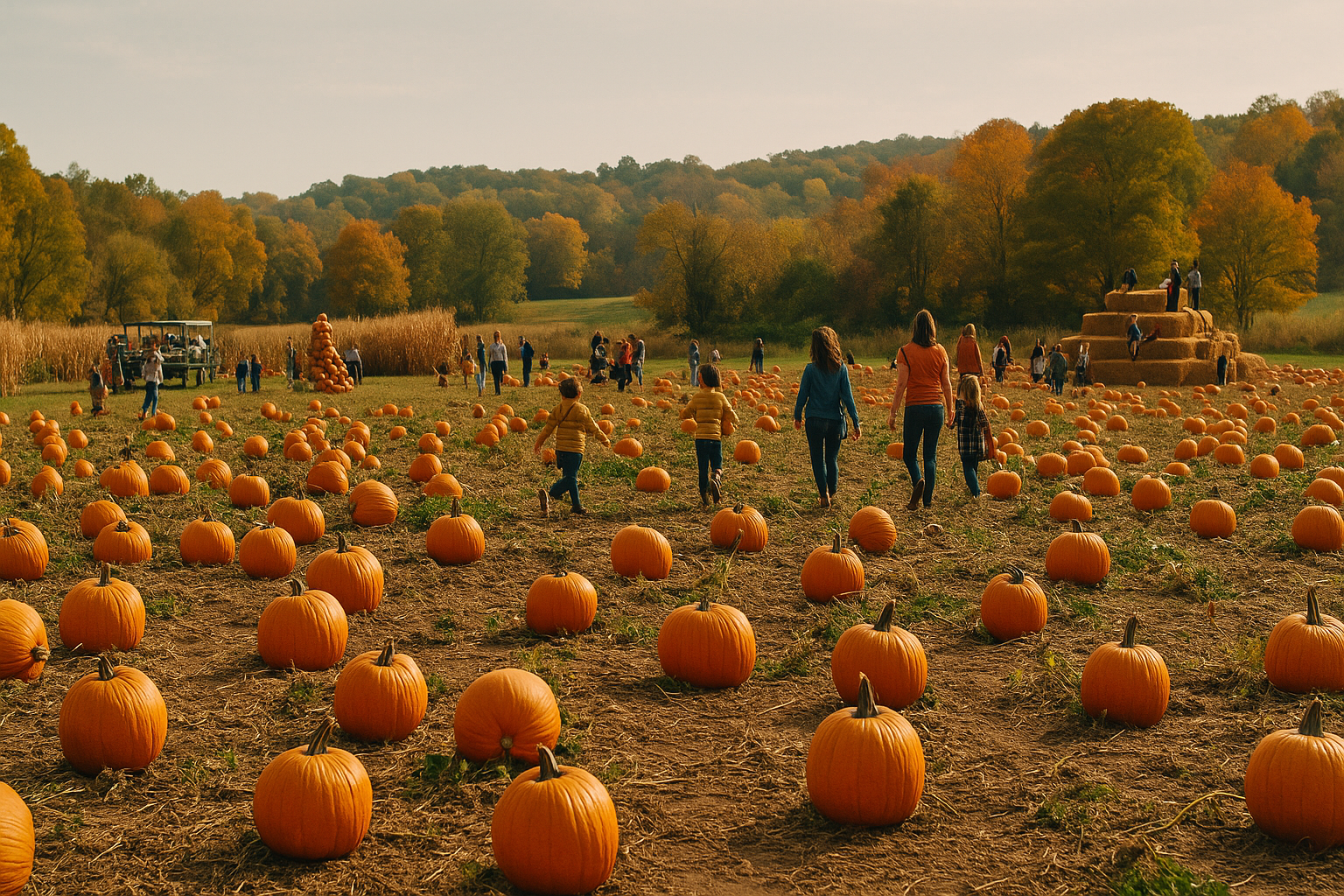
Harvest pumpkins when they have the expected mature color, a hard rind, and a firm, woody stem, preferably on a dry day before freezing weather. Use those signs together. The number on the seed packet tells you when to start checking, not the exact morning to reach for the pruners.
If the weather is closing in, move mature fruit into shelter rather than waiting for the calendar to turn to October. The month-by-month growing calendar helps you plan for that window next season.
As an Amazon Associate, Pumpkinish earns from qualifying purchases. Shopping links are suggestions for comparing supplies, not claims of personal testing.
Four checks before you cut
Color: look for the mature color of the named variety. It might be orange, white, blue-gray, green, or tan. Some pumpkins color early, so color alone is not enough. Check the varieties guide if you are unsure what yours should look like.
Rind: gentle fingernail pressure should not easily dent mature skin. Test lightly in an inconspicuous spot rather than repeatedly puncturing fruit you want to store. A tough exterior is more informative than a glossy photo on the seed packet.
Stem: the attachment generally becomes harder and corkier with maturity. A dry vine can support the decision, but vines also die from pests or disease, so it cannot prove the pumpkin is ripe.
Sound: a hollow tap is sometimes used as a supporting clue. Wall thickness and internal structure vary. Do not pick a soft-rinded pumpkin simply because it makes a satisfying sound.
Illinois Extension emphasizes mature color and rind hardness. Check several fruit individually; pumpkins on one plant need not finish together.
How to use days to maturity
Note the packet’s estimate and whether it runs from direct sowing or transplanting. Start checking near that date, leaving room for cool weather, delayed emergence, and late fruit set.
A 100-day listing does not mean 100 days after a female flower opens. If you marked a pollination date, keep it as a separate note. As the season goes on, use the fruit’s actual condition to make the decision.
When vines fail early, assess the fruit for maturity and damage rather than assuming every pumpkin is ready. Plant-care troubleshooting can help explain the premature decline.
What if frost is approaching?
Harvest mature pumpkins ahead of a freeze. A light frost may damage leaves while leaving some fruit intact, but exposure, duration, and shelter matter. There is no single temperature at which every pumpkin suddenly becomes unsafe or unsalvageable.
A temporary cover may help during a brief light frost if well secured, but it is not a dependable plan for a hard freeze. Move harvested fruit into a sheltered, frost-free place. Don’t leave it outside to cure through freezing nights.
If you must pick immature fruit, keep it separate and plan to use sound, suitable cooking pumpkins promptly. Skin color may change after picking, but that does not guarantee the flesh will develop the flavor or storage life of vine-matured fruit. Curing cannot make a badly immature or frost-damaged pumpkin into a good keeper.
Cut safely and leave a stem
Wear garden gloves around prickly vines, and keep your other hand away from the cutting path. Use sharp pruning shears or a harvest knife suited to the stem thickness. If shears need two-handed force beyond their capacity, use a more suitable cutting tool instead of twisting them.
Cut the vine so roughly 3–4 inches of stem stay attached where possible. Do not pull, snap, or use the stem as a carrying handle. Lift underneath with both hands; arrange help or a cart for fruit you cannot comfortably lift.
Let surface dirt dry and brush it off gently. Don’t scrub through the rind or put damp fruit straight into storage. Wash under running water before food preparation.
Bypass pruners are worth comparing if you have no suitable tool. Look for a comfortable grip, an accessible lock, and a stated cutting capacity. The growing-tools guide covers gloves, harvest tools, and carrying supplies.
Sort damaged pumpkins before curing
Sound, mature, unbroken fruit are the best storage candidates. A superficial scuff is different from a deep cut, an open crack, a soft spot, or frost-softened flesh.
Keep damaged fruit apart and inspect it promptly. Use a freshly nicked, otherwise sound cooking pumpkin soon after trimming the damaged area during preparation. Discard pumpkins with rot, mold, leaking areas, or an off smell; preserving does not rescue spoiled produce. Do not put questionable fruit into a batch of purée.
A missing stem usually shortens storage prospects. Mark that pumpkin for early use instead of burying it at the back of a shelf.
Curing pumpkins
Curing is a warm period after harvest that helps harden sound fruit and heal minor surface injuries. It is separate from cool storage, and it is not food preservation for cut pumpkin.
Minnesota Extension recommends about 7–10 days in warm, ventilated conditions, around 80–90°F when outdoor weather cooperates. Bring pumpkins under a roof if rain or cold is expected, and allow air to move around them.
Do not seal pumpkins in plastic or leave them in a hot, closed vehicle. Inspect during curing and separate fruit that develops soft areas. If your autumn is too cool for ideal conditions, use a sheltered, ventilated space and accept that storage may be shorter. There is no need to chase a precise temperature with unsafe heating arrangements.
Store whole pumpkins where you can inspect them
A dry, ventilated area around 50–55°F is a useful target. A typical refrigerator is too cold for long-term whole-pumpkin storage; a warm kitchen is usually too warm. Avoid freezing garages and damp basement corners.
Set fruit in one layer on clean shelves or in ventilated crates, with space between them. Use dry cardboard or washable cushioning to prevent contact damage, replacing anything that becomes damp. Don’t stack heavy fruit or let stems press into neighboring pumpkins.
Compare ventilated produce crates by load capacity, cleanability, and openings for air. A sealed tote is useful for faux décor, but a poor home for fresh pumpkins. Check your shelf’s weight rating too.
Inspect weekly. For planning, think weeks to a few months for many pumpkins. Some storage squash keep longer in good conditions, but size alone does not predict keeping quality. Variety, maturity, bruising, disease, and temperature all matter. Keep a note of which variety lasts in your actual storage space.
Eating, carving, and décor need different plans
For eating: reserve sound cooking varieties, use damaged-but-sound fruit first, and freeze purée or cooked portions when you have more than you can use. Cutting changes the storage rules: refrigerate promptly.
For carving: keep fruit whole until close to the event. Once carved, expect a short display life, often just days and less in warm conditions. A carved pumpkin that has sat outdoors is not a good candidate for dinner.
For uncarved décor: shelter from heat, rain, and freezing weather and inspect often. If you plan to eat it later, keep it free of paint, glue, sealers, and other craft treatments. The prep-tools guide separates food work from carving and crafts.
Before putting the last crate away, label it with variety and harvest date. It is much easier to choose what to roast first when you don’t have to remember which pumpkin lost its stem.